Eye · Gangnam, Seoul

Ptosis Correction in Gangnam, Seoul

Ptosis correction in Seoul, Korea is a specialized eyelid procedure designed to improve droopy eyelids, enhance eye-opening strength, and create a brighter, more alert appearance. At YUNO Plastic Surgery Clinic, ptosis surgery is customized according to each patient's eyelid anatomy, muscle function, facial proportions, and aesthetic goals to achieve natural-looking and long-lasting results.

Ptosis Correction at YUNO Plastic Surgery, Gangnam Seoul
natural, like you
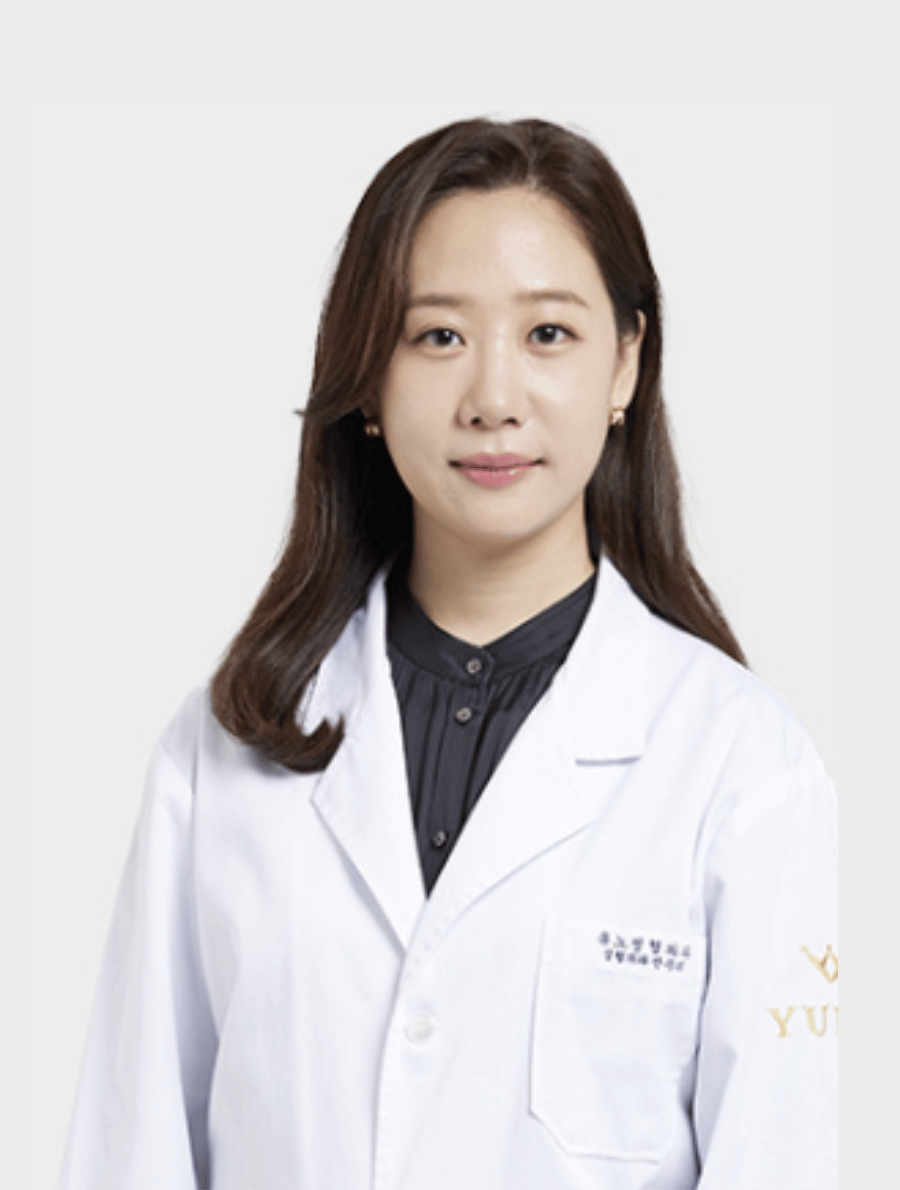
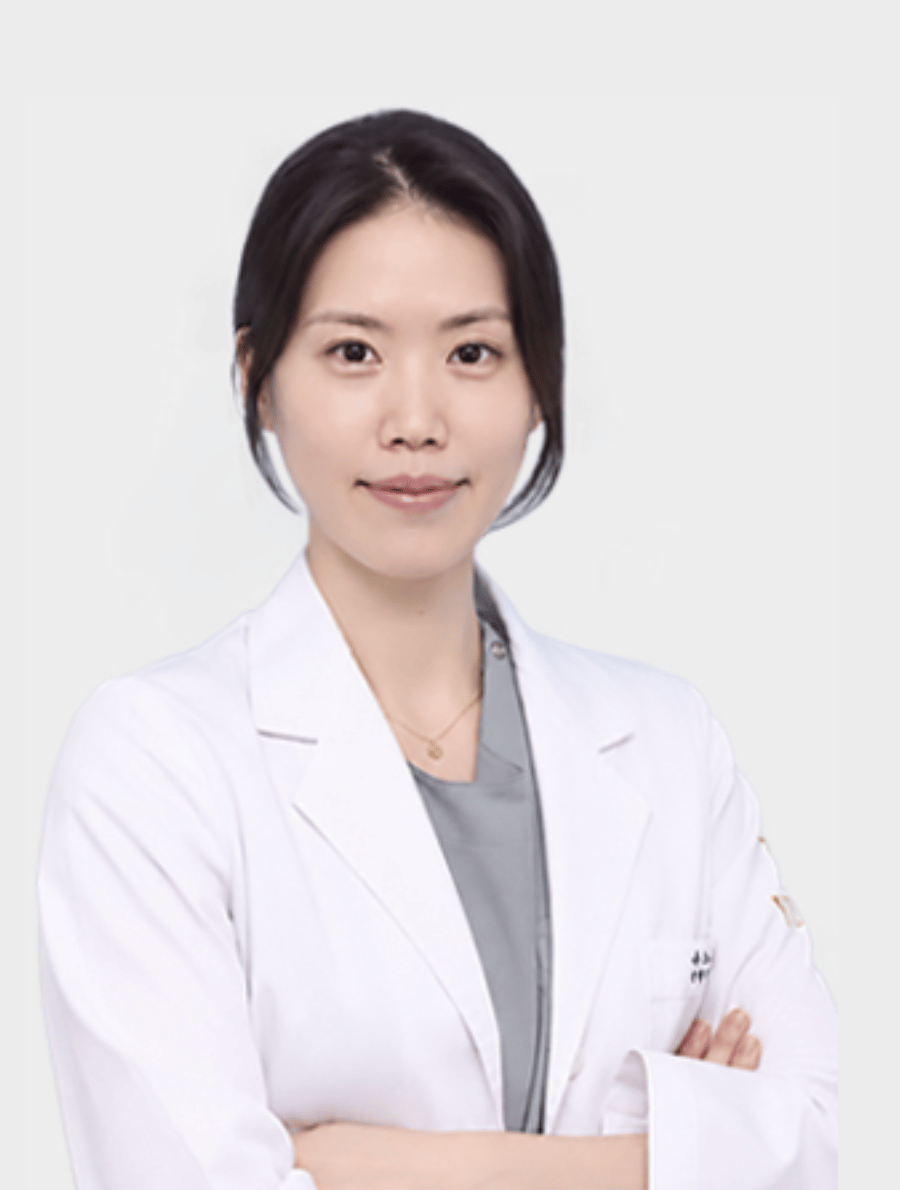
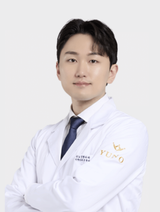
Dr. Yoon Sung Yeon, Ptosis Correction surgeon in Seoul
Dr. Yoon Sung Yeon Eye specialist
Ptosis Correction at YUNO Plastic Surgery Gangnam, Seoul
At a glance

What is Ptosis Correction?

Ptosis is a condition in which the upper eyelid sits lower than normal due to weakness or dysfunction of the levator muscle, which is responsible for lifting the eyelid. Ptosis may be congenital or develop later in life due to aging, trauma, previous surgery, muscle stretching, or other anatomical changes. The condition can affect one eye or both eyes and varies in severity.

Procedure
Ptosis Correction
Surgeons
Dr. Yoon Sung Yeon, Dr. Kim Dong Kyu, Dr. Joo Jae Doo
Anesthesia
Managed by a board-certified anesthesiologist on-site
Stay in Korea
Approx. 7 to 10 days (per surgeon’s advice)
Consultation
1:1 with your surgeon · English-speaking coordinators
Location
Gangnam Station Exit 10, Seoul
No. 01

Ptosis Correction in Seoul Korea

Droopy eyelids can affect both appearance and function. Patients with ptosis often feel that their eyes look tired, sleepy, uneven, or smaller than they actually are. In more severe cases, ptosis may partially obstruct vision and cause patients to constantly raise their eyebrows to compensate.

At YUNO Plastic Surgery Clinic, ptosis correction focuses on restoring proper eyelid position while maintaining natural eye shape and facial harmony. Every procedure is carefully tailored to the patient's anatomy to create balanced and youthful-looking results.

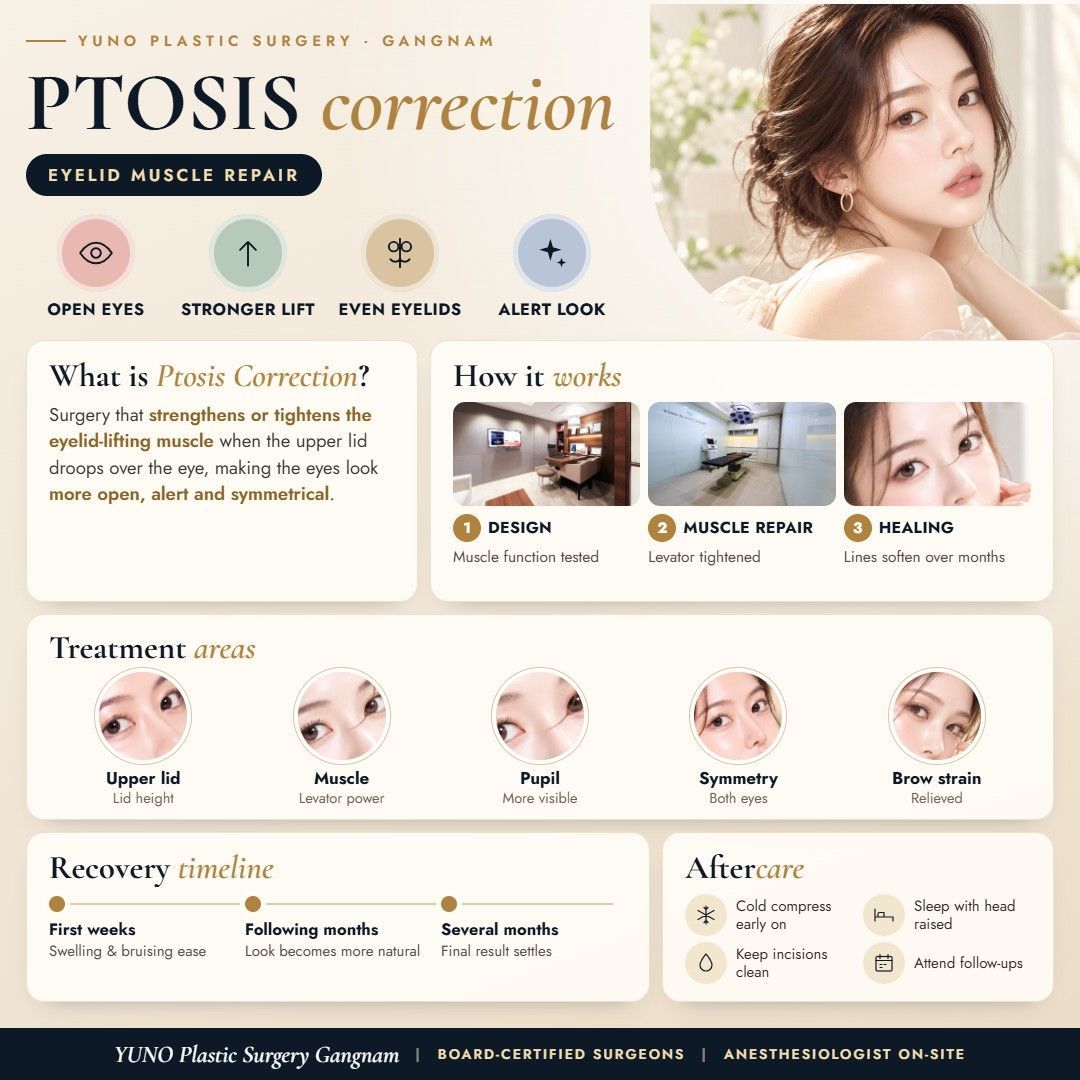
Ptosis Correction infographic: what it is, how it works, key benefits, treatment areas, recovery timeline and aftercare at YUNO Plastic Surgery Gangnam, Seoul
Ptosis Correction at a glance — YUNO Plastic Surgery, Gangnam, Seoul
No. 02

Common Signs of Ptosis

01

Sleepy-Looking Eyes

Drooping eyelids often make patients appear tired even when they are fully rested.

02

Uneven Eyelids

One eyelid may sit lower than the other, creating visible asymmetry.

03

Small-Looking Eyes

Low eyelid position can reduce visible eye size and definition.

04

Forehead Wrinkles

Many patients unconsciously raise their brows to compensate for drooping eyelids.

05

Reduced Visual Field

Severe ptosis may partially block upper vision.

No. 03

Benefits of Ptosis Correction

One of the primary benefits of ptosis correction is improved eye-opening strength and visibility of the eyes. Patients often report looking more awake, energetic, and youthful after surgery.

The procedure can also improve facial symmetry, reduce forehead strain, and enhance overall facial harmony. Functional improvements may occur in patients experiencing visual obstruction caused by drooping eyelids.

No. 04

Ptosis Correction and Double Eyelid Surgery

Ptosis correction is frequently combined with double eyelid surgery. While ptosis correction improves eyelid-opening function, double eyelid surgery focuses on creating a defined eyelid crease.

Combining the procedures can improve both aesthetics and function. Treatment recommendations depend on the patient's anatomy and goals.

No. 05

Recovery After Ptosis Correction Surgery

Following surgery, patients may experience swelling, bruising, tightness, and temporary discomfort around the eyes. Most visible swelling improves significantly during the first few weeks.

As healing progresses, eyelid position stabilizes and eye-opening function becomes more apparent. Final results continue to improve over several months as tissues settle and scars mature.

Your surgeons

Who performs Ptosis Correction at YUNO

Under YUNO’s real-name surgeon system, the board-certified specialist who consults with you is the specialist who operates — supported by an in-house anesthesiology team. Meet the full medical team →

Dr. Yoon Sung Yeon, Board-Certified Plastic Surgeon at YUNO Plastic Surgery Seoul
Yoon Sung Yeon

Dr. Yoon Sung Yeon

Board-Certified Plastic Surgeon

Eye surgery, lifting & skin rejuvenation

  • M.D., Ewha Womans University School of Medicine
  • Internship, Catholic Medical Center
  • Plastic surgery residency, Seoul St. Mary’s Hospital
  • Outstanding Resident Award & Young Talent Award, Dept. of Plastic Surgery, The Catholic University of Korea
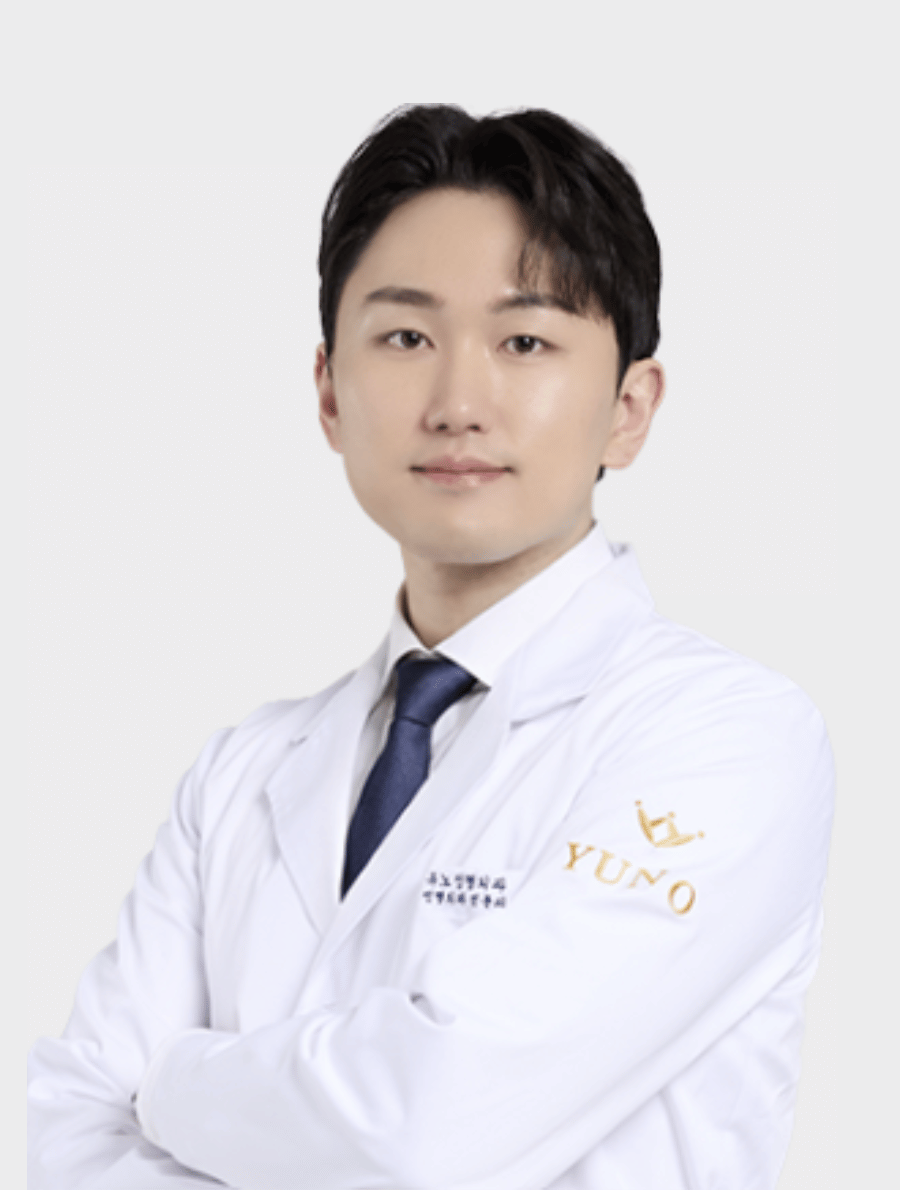
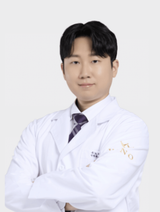
Dr. Kim Dong Kyu, Board-Certified Plastic Surgeon at YUNO Plastic Surgery Seoul
Kim Dong Kyu

Dr. Kim Dong Kyu

Board-Certified Plastic Surgeon

Eye, breast & anti-aging surgery, thread lifting & injectables

  • Former clinical instructor & adjunct professor, Soonchunhyang University Hospital
  • Full member & accredited training supervisor, Korean Society of Plastic & Reconstructive Surgeons
  • Full member, Korean Society for Aesthetic Plastic Surgery (KSAPS)
  • Member of KSPRS research groups for eye, nose, breast, anti-aging, filler & thread lifting
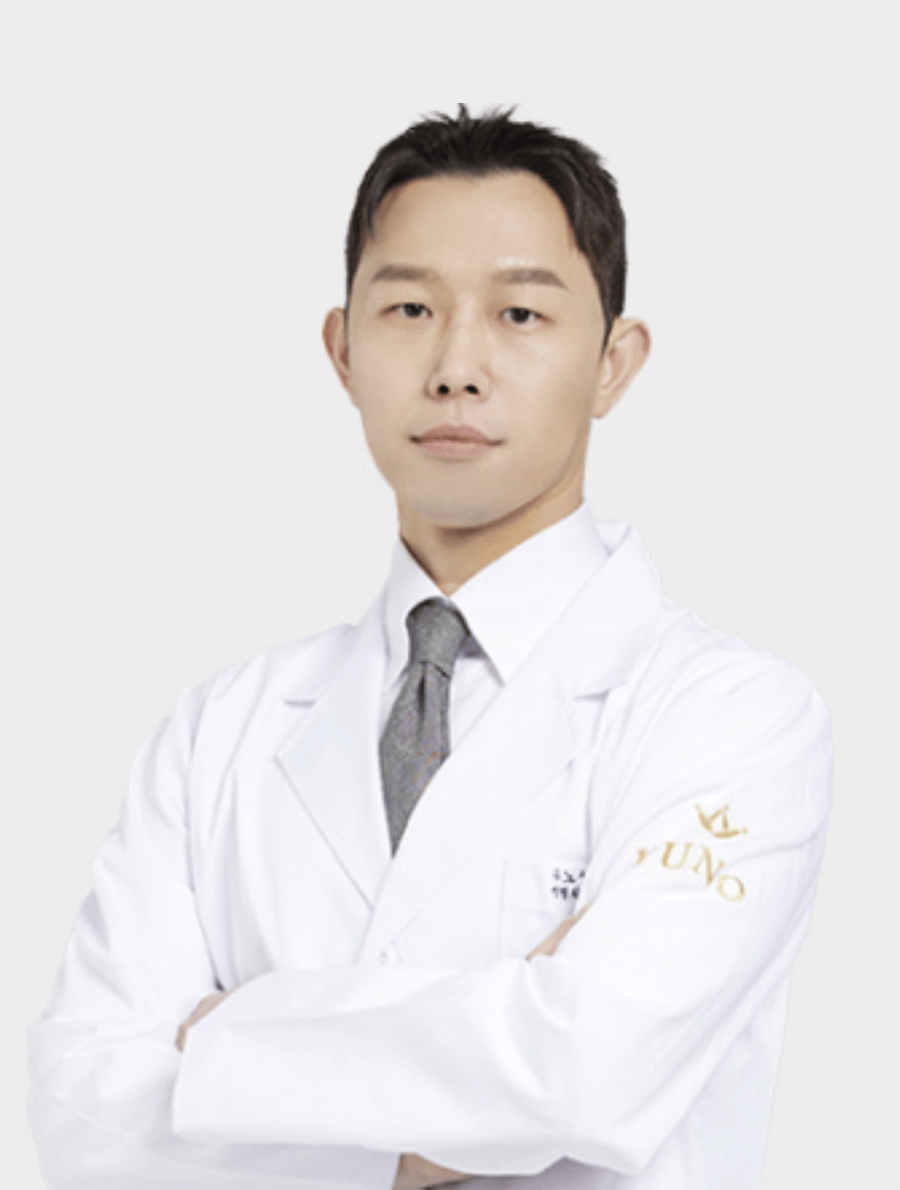
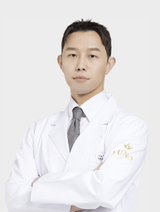
Dr. Joo Jae Doo, Board-Certified Plastic Surgeon at YUNO Plastic Surgery Seoul
Joo Jae Doo

Dr. Joo Jae Doo

Board-Certified Plastic Surgeon

Eye & nose surgery, fat grafting, body contouring & lifting

  • Former director, Dodream Plastic Surgery
  • Full member, Korean Society of Plastic & Reconstructive Surgeons (KSPRS)
  • Full member, Korean Society for Aesthetic Plastic Surgery (KSAPS)
  • Full member, Korean Cleft Palate-Craniofacial Association & Korean Society for Microsurgery
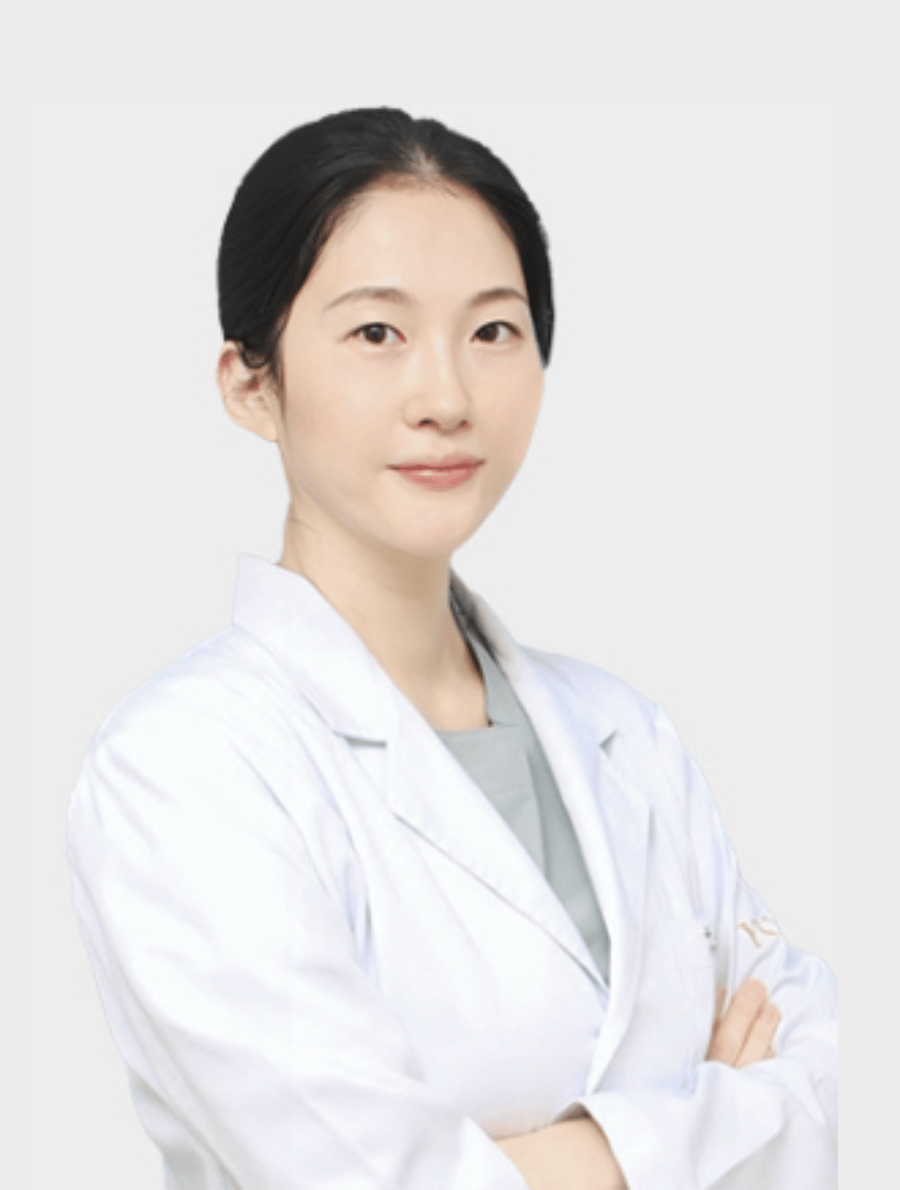
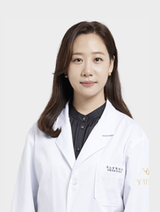
Dr. Son Shill Lee, board-certified anesthesiologist at YUNODr. Moon Sun Young, board-certified anesthesiologist at YUNO

Two board-certified anesthesiologists, always on-site

Dr. Son Shill Lee and Dr. Moon Sun Young oversee pre-operative assessment, 1:1 anesthesia care and real-time monitoring for every surgery. See the YUNO safety system →

Real patient results

Ptosis Correction before & after

Results vary between individuals. Every photo is shared with patient consent and reflects the surgeon’s personalised plan.

View photo gallery →
FAQ

Ptosis Correction questions, answered

Still unsure? Ask a surgeon directly — our English-speaking coordinators reply on WhatsApp.

What Is Ptosis?
Ptosis is a condition in which the upper eyelid sits lower than normal due to weakness or dysfunction of the levator muscle, which is responsible for lifting the eyelid. Ptosis may be congenital or develop later in life due to aging, trauma, previous surgery, muscle stretching, or other anatomical changes. The condition can affect one eye or both eyes and varies in severity.
What Is Ptosis Correction Surgery?
Ptosis correction surgery is a procedure designed to strengthen, tighten, or reposition the muscles responsible for opening the eyelids. The surgery improves eyelid height, eye symmetry, and eye-opening function. The goal is to create brighter, more alert-looking eyes while maintaining natural facial expression and avoiding an overcorrected appearance.
Who Is a Good Candidate for Ptosis Correction?
Ptosis correction may be suitable for patients whose eyes appear sleepy, heavy, partially closed, or uneven due to low eyelid position. Candidates may also experience forehead strain from constantly lifting the eyebrows or have concerns about reduced upper visual field. During consultation, YUNO Plastic Surgery Clinic evaluates muscle function, eyelid position, facial proportions, and aesthetic goals before recommending treatment.
Why Choose YUNO Plastic Surgery Clinic for Ptosis Correction in Seoul?
YUNO Plastic Surgery Clinic customizes every ptosis correction procedure according to muscle function, eyelid anatomy, facial proportions, and patient goals. The clinic focuses on achieving natural-looking improvement while preserving facial expression and symmetry. International patients choose YUNO Plastic Surgery Clinic for personalized consultations, advanced eyelid surgery expertise, and comprehensive postoperative care. The goal is to create brighter, more youthful eyes while maintaining natural facial harmony.
What is ptosis?
Ptosis is a condition in which the upper eyelid sits lower than normal due to weakness of the eyelid-opening muscles. It can affect appearance, eye symmetry, and in some cases visual function.
What is ptosis correction surgery?
Ptosis correction surgery is a procedure designed to improve eyelid height and eye-opening strength by adjusting the muscles responsible for lifting the eyelids. The goal is to create brighter and more balanced eyes.
Who is a good candidate for ptosis correction?
Patients whose eyes appear sleepy, heavy, partially closed, or asymmetrical due to low eyelid position may be candidates. A consultation is necessary to evaluate muscle function and determine the most appropriate treatment.
Can ptosis correction make my eyes look bigger?
Ptosis correction can make the eyes appear larger and more open by improving eyelid position. The goal is natural enhancement and improved function rather than exaggerated enlargement.
What causes ptosis?
Ptosis may develop due to aging, genetics, muscle stretching, trauma, nerve-related conditions, or previous surgery. The underlying cause influences treatment planning.
Can ptosis correction improve vision?
In some patients, severe ptosis partially blocks the upper visual field. Corrective surgery may improve vision by lifting the eyelids to a more functional position.
Can ptosis correction improve asymmetry?
Yes. Correcting uneven eyelid height is one of the most common goals of ptosis surgery. Treatment is customized according to each patient's anatomy and degree of asymmetry.
Can ptosis correction be combined with double eyelid surgery?
Yes. Many patients combine ptosis correction with double eyelid surgery to improve both eye-opening function and eyelid aesthetics. Combined procedures often provide more comprehensive results.
How long does ptosis correction surgery take?
The duration depends on the severity of ptosis and whether additional eyelid procedures are performed simultaneously. More complex cases generally require additional operating time.
How long is recovery after ptosis correction?
Most swelling and bruising improve significantly during the first few weeks after surgery. Final eyelid position and contour continue to improve over several months.
How long should international patients stay in Korea after ptosis correction surgery?
Most international patients are advised to remain in Korea for approximately 7 to 10 days. This allows sufficient time for surgery, follow-up appointments, stitch removal if necessary, and recovery monitoring.
Are ptosis correction results permanent?
Ptosis correction provides long-lasting improvement by strengthening or repositioning the eyelid-opening structures. Although natural aging continues, the structural improvements achieved through surgery are generally designed to remain stable for many years.
Why choose YUNO Plastic Surgery Clinic for ptosis correction in Seoul?
YUNO Plastic Surgery Clinic customizes every ptosis correction procedure according to eyelid anatomy, muscle function, facial proportions, and aesthetic goals. The clinic focuses on achieving natural-looking enhancement, improved symmetry, preserved facial expression, and long-term patient satisfaction.
Visit us

Book your Ptosis Correction consultation

Location

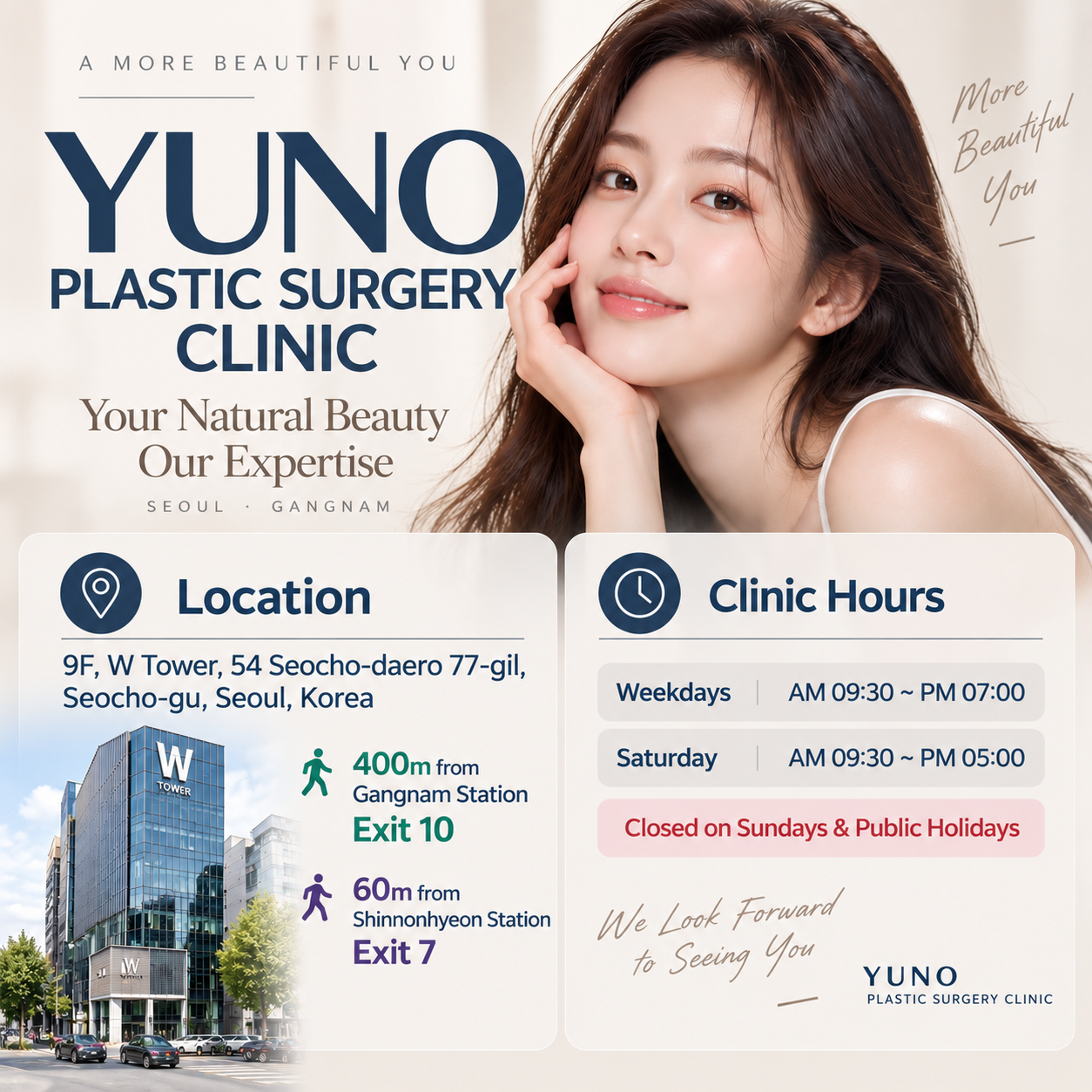
9F, W Tower, 54 Seocho-daero 77-gil, Seocho-gu, Seoul, Korea

400m from Gangnam Station Exit 10 · 60m from Sinnonhyeon Station Exit 7

Clinic Hours

Mon–Wed & Fri 09:30 – 19:00 · Thu 09:30 – 20:00 (Late Hours) · Sat 09:30 – 17:00

Closed Sundays & public holidays

This page is for general information and does not replace an in-person medical consultation. Suitability, risks and recovery differ for every patient and are discussed with your surgeon. Content medically reviewed by Dr. Yoon Sung Yeon on October 2026.

Free consultation

Send your photos and goals — an English-speaking coordinator will reply and arrange a 1:1 review with Dr. Yoon Sung Yeon or the right specialist for you.

Chat on WhatsApp → Call +82-10-2257-8670